
How to Choose the Perfect Sofa for a Comfortable and Stylish Living Room
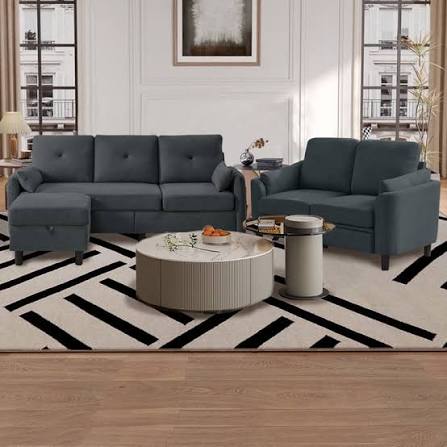
Creating a comfortable and visually appealing living room starts with selecting furniture that combines functionality, durability, and attractive design. A sofa is often the centerpiece of this space, influencing both its appearance and everyday usability. Whether you are furnishing a new home or updating an existing interior, choosing the right seating arrangement can make a significant difference in how your living room looks and feels. Modern furniture offers a wide variety of designs that accommodate different room sizes, lifestyles, and decorating preferences.
Understanding the Importance of Functional Sofa Designs
Modern living spaces require furniture that serves more than one purpose. Homeowners increasingly look for seating options that provide comfort while making efficient use of available space. A well-designed sofa can create a welcoming atmosphere, provide enough room for family members, and complement other decorative elements.
Functionality becomes particularly important in apartments and smaller homes, where every piece of furniture needs to contribute to the overall layout. Instead of filling a room with several separate seating pieces, homeowners can choose versatile furniture that provides multiple seating arrangements without creating unnecessary clutter.
The right sofa should also reflect the household's daily habits. Families who enjoy watching movies together may prioritize spacious seating, while people who frequently entertain guests might prefer flexible configurations that accommodate different social situations.
Exploring Flexible Seating Arrangements
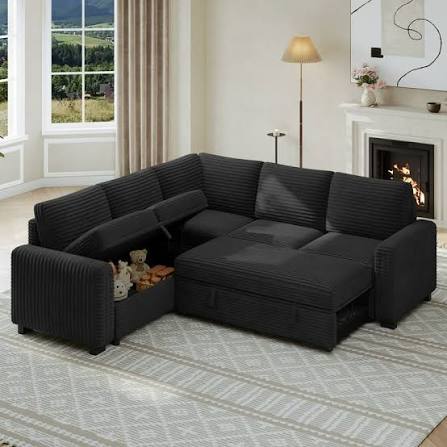
One of the most valuable developments in contemporary furniture design is the introduction of adaptable seating solutions. These designs allow homeowners to change their living room layouts according to their preferences and available space.
A flexible sofa arrangement can make a room feel more organized while offering additional comfort. Some models feature movable components that can be rearranged to create different seating positions. This flexibility is especially useful when rearranging furniture, welcoming visitors, or changing the overall appearance of an interior.
Homeowners who appreciate practical furniture often explore Reversible Chaise Couches because they provide the convenience of adjusting the chaise section to suit different room layouts. This design allows the extended seating portion to be positioned on either side, depending on the model's construction.
Such adaptability makes these couches particularly appealing to people who enjoy refreshing their interiors without purchasing entirely new furniture. It also provides greater freedom when working with different room dimensions and architectural arrangements.
Benefits of Choosing an Adaptable Chaise Sofa
A reversible chaise design offers several advantages that make it suitable for contemporary households.
1. Greater Layout Flexibility
One of the biggest benefits is the ability to position the chaise section on the preferred side. This feature can help homeowners accommodate doors, windows, walkways, and other furniture pieces without compromising comfort.
2. Comfortable Everyday Seating
The extended chaise provides additional space for stretching out, reading, watching television, or relaxing after a busy day. It creates a comfortable lounging area while maintaining the practical seating capacity of a traditional sofa.
3. Better Use of Available Space
Choosing furniture that adapts to the room can make interior planning easier. Instead of struggling to accommodate a fixed configuration, homeowners can select an arrangement that works with their existing layout.
4. Modern Interior Appeal
Chaise sofas are available in numerous upholstery materials, colors, and silhouettes. Their contemporary appearance can complement minimalist, transitional, industrial, and modern interior styles.
5. Convenient Furniture Rearrangement
Changing the position of the chaise can refresh the appearance of a living room. This is particularly useful for people who enjoy experimenting with furniture arrangements or occasionally reorganizing their homes.
Selecting the Right Size for Your Living Room
Before purchasing a sofa, measuring the available space is essential. Even an attractive design can make a room uncomfortable if it occupies too much floor area.
Start by measuring the intended placement area, including the room's width and length. Consider the distance between the sofa and other furniture, particularly coffee tables, entertainment units, and side tables. Maintaining enough walking space helps create a comfortable environment.
It is also important to consider the chaise extension. Since this section occupies additional floor space, homeowners should measure both possible configurations before making a decision.
For smaller living rooms, compact models with streamlined arms and raised legs can create a lighter visual appearance. Larger spaces may accommodate wider seating arrangements with deeper cushions and more substantial proportions.
Choosing Upholstery That Matches Your Lifestyle
Upholstery affects the sofa's appearance, comfort, and maintenance requirements. Therefore, selecting the right fabric should be an important part of the purchasing process.
Fabric upholstery is a popular option because it comes in countless textures and colors. Cotton blends, polyester, and performance fabrics can provide different combinations of softness, durability, and ease of cleaning.
For households with children or pets, stain-resistant materials may be particularly useful. Neutral shades such as beige, gray, cream, and taupe offer versatility and can coordinate with different decorating schemes.
Leather and faux leather are alternative choices for homeowners who prefer a polished appearance. These materials can introduce sophistication while creating an attractive contrast with wooden furniture, metallic accents, and textured decorative accessories.
Regardless of the selected material, checking the upholstery quality and cleaning instructions can help ensure that the sofa remains attractive over time.
Creating a Balanced Living Room Design
A sofa should complement the entire living room rather than appear disconnected from the surrounding furniture. Creating visual balance involves considering colors, proportions, textures, and decorative elements.
A neutral sofa can serve as a versatile foundation for colorful cushions, patterned rugs, and decorative blankets. Meanwhile, a bold upholstery color can become the focal point of a room with otherwise understated furniture.
Coffee tables should be selected according to the sofa's dimensions. Round tables can soften the appearance of angular seating arrangements, while rectangular designs work well with longer sofas.
Lighting also contributes to the overall atmosphere. Floor lamps placed beside the chaise section can create a comfortable reading corner, while ceiling fixtures provide general illumination.
Adding indoor plants, framed artwork, and decorative accessories can further enhance the space without making it feel overcrowded.
Comfort and Construction: What to Look For
Appearance alone should never determine a furniture purchase. A comfortable sofa requires quality construction and supportive materials.
Begin by examining the frame. Hardwood frames are often appreciated for their strength and durability, while well-constructed engineered materials can also provide reliable performance.
Cushion quality is equally important. High-density foam can offer structured support, while softer filling materials may create a more relaxed seating experience. Some designs combine different cushioning materials to balance comfort and support.
Pay attention to seat depth, back height, armrest proportions, and overall dimensions. These details influence how comfortably different household members can use the sofa.
If possible, test the seating before purchasing. Sitting on the cushions and checking the chaise extension can help determine whether the design meets your expectations.
Maintaining Your Sofa for Long-Term Use
Regular maintenance helps preserve the appearance and functionality of upholstered furniture. Vacuuming the cushions and crevices removes dust, crumbs, and everyday debris before they accumulate.
Rotating removable cushions when recommended by the manufacturer can help distribute wear more evenly. Spills should be addressed promptly using cleaning methods suitable for the specific upholstery material.
Avoid exposing the sofa to prolonged direct sunlight, as this may cause certain fabrics to fade over time. Keeping pets' claws away from delicate upholstery and avoiding excessive pressure on movable components can also extend furniture life.
Following the manufacturer's maintenance instructions is the best way to protect your investment.
Conclusion
Choosing the right sofa involves balancing comfort, functionality, appearance, and available space. Flexible seating arrangements offer practical advantages for homeowners who want furniture that adapts to changing room layouts and everyday needs.
With their adaptable configurations, comfortable chaise extensions, and variety of contemporary styles, Reversible Chaise Couches can be an excellent addition to many modern living rooms. By considering dimensions, upholstery, construction quality, and interior design, homeowners can find a seating solution that enhances their living environment while providing lasting comfort and convenience.