
Creating a Comfortable Home with Smart Seating and Modern Furniture Design
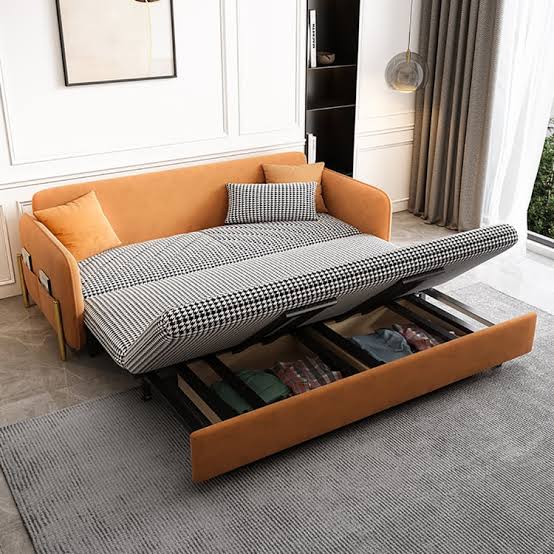
A comfortable home begins with furniture that supports everyday activities while creating an inviting atmosphere. Whether you are designing a spacious family room, updating a small apartment, or furnishing a dedicated relaxation area, selecting the right seating can make a noticeable difference. Modern furniture combines attractive designs with practical features, helping homeowners create interiors that are both functional and visually appealing.
Among the most important furniture investments is a comfortable chair. While traditional seating provides a place to relax, modern designs offer additional features that support different sitting preferences and everyday routines. Adjustable positions, supportive cushions, and carefully designed backrests have made specialized seating increasingly popular in contemporary homes.
Understanding the Importance of Comfortable Seating
People spend considerable time sitting at home, whether they are reading, watching television, working, or enjoying time with family. Choosing suitable furniture can improve the overall seating experience and make living spaces more enjoyable.
A well-designed chair should provide appropriate support for the back, neck, and legs. Its dimensions should also accommodate the user's body comfortably without creating unnecessary pressure points.
Comfort depends on several factors, including seat depth, cushion firmness, backrest design, armrest height, and available adjustment options.
Modern furniture manufacturers consider these details when developing seating solutions for different lifestyles. Homeowners can now explore designs that combine traditional relaxation features with contemporary functionality.
What Makes Ergonomic Seating Different?
Ergonomic furniture is designed around the relationship between the human body and the seating environment. Its primary objective is to provide a comfortable sitting experience by considering posture, body proportions, and support requirements.
Ergonomic Recliners are particularly appealing because they combine adjustable positioning with seating features designed to support different parts of the body. Depending on the model, users may be able to adjust the backrest, extend a footrest, or modify the headrest to find a more comfortable position.
These chairs can be useful in living rooms, reading corners, bedrooms, and home entertainment spaces.
Several features distinguish ergonomic recliners from conventional chairs:
Adjustable backrests that allow different reclining positions.
Supportive cushions designed for comfortable seating.
Armrests positioned to provide convenient arm support.
Extendable footrests that allow users to elevate their legs.
Adjustable headrests on selected models.
Different operating mechanisms, including manual and electric controls.
Not every model includes all these features, so reviewing individual product specifications is important.
Exploring Different Types of Recliners
Recliners are available in numerous styles and configurations. Understanding the available options can help homeowners choose furniture that matches their preferences and interior layouts.
Manual Recliners
Manual recliners use a lever, handle, or body-weight mechanism to adjust the seating position. They are often straightforward to operate and do not require an electrical connection.
Power Recliners
Power recliners use electric motors to control reclining movements. Users can adjust their seating position through integrated buttons, offering convenient operation and more controlled positioning.
Wall-Hugger Recliners
These models are designed to operate with limited space behind the chair. Their mechanisms move the seat forward as the backrest reclines, making them suitable for smaller rooms.
Swivel Recliners
Swivel designs allow the chair to rotate, providing additional flexibility in living rooms and entertainment areas. Some models also include rocking functionality.
Lift Recliners
Lift recliners feature powered mechanisms that help raise the chair into a standing position. They are designed for people who need additional assistance when sitting down or getting up. Buyers should review the specific model's safety features and intended use.
Choosing the right configuration depends on available space, comfort preferences, and the intended purpose of the furniture.
Selecting the Right Recliner for Your Body
Furniture comfort is highly personal, and a chair that works well for one person may not suit another. Therefore, evaluating dimensions and support features before purchasing is essential.
Start by considering seat height. Your feet should rest comfortably on the floor when sitting upright, depending on the chair's design.
Seat depth is another important factor. A chair that is too deep may make it difficult to maintain comfortable back support, while a shallow seat may not provide sufficient thigh support.
Backrest height should accommodate the user's upper body. Models with adjustable headrests can provide additional flexibility when changing reclining positions.
Armrests should also be positioned comfortably to support the arms without forcing the shoulders upward.
Whenever possible, test the chair before purchasing. Spend time sitting in different positions and check whether the cushioning, dimensions, and adjustment mechanisms meet your expectations.
Choosing Upholstery and Cushion Materials
The upholstery material affects the appearance, comfort, and maintenance requirements of a recliner.
Leather: Leather offers a refined appearance and can complement traditional and contemporary interiors. It is available in several finishes and colors, making it a versatile option for sophisticated living spaces.
Microfiber: Microfiber has a soft texture and is often selected for its practical everyday characteristics. It can be an attractive option for family rooms and frequently used seating areas.
Polyester Fabric: Polyester upholstery offers a wide range of colors, patterns, and textures. It provides flexibility when coordinating furniture with existing decorations.
Performance Fabrics: Certain performance materials are designed to resist stains and everyday wear. They may be suitable for households that prioritize easier furniture maintenance.
Cushion filling also deserves attention. High-density foam can provide structured support, while softer cushioning materials may create a more relaxed seating experience. The ideal choice depends on personal preferences and the chair's construction.
Creating a Relaxing Interior with Recliner Furniture
A recliner should complement the surrounding furniture rather than appear disconnected from the overall design.
In modern living rooms, neutral upholstery shades such as gray, beige, cream, and taupe create a balanced appearance. These colors coordinate easily with wooden furniture, decorative rugs, and contemporary lighting.
Darker shades, including navy, charcoal, and chocolate brown, can introduce a sophisticated atmosphere. They work particularly well with warm wooden finishes and metallic accessories.
A recliner can also create a dedicated relaxation corner. Positioning it beside a floor lamp and small side table provides a convenient space for reading or enjoying a quiet moment.
For larger living rooms, combining a recliner with a matching sofa can establish a coordinated seating arrangement. In smaller spaces, a compact chair with a streamlined silhouette may provide comfort without overwhelming the room.
Decorative cushions and soft blankets can introduce additional texture while making the seating area feel more welcoming.
Understanding Space Requirements and Placement
Reclining furniture requires more careful planning than standard chairs because its dimensions change when the footrest and backrest are adjusted.
Before purchasing, measure the available floor space and consider the chair's fully extended dimensions. Check the clearance required behind and in front of the recliner.
Wall-hugger models may be useful when the chair needs to be positioned close to a wall. However, the required clearance varies between manufacturers and designs.
Also consider nearby furniture, including coffee tables, side tables, cabinets, and entertainment units. The chair should have enough surrounding space to operate comfortably without blocking walkways.
For power recliners, ensure that an appropriate electrical outlet is accessible and that cables can be positioned safely.
Evaluating Construction and Adjustment Mechanisms
A quality recliner should combine comfortable upholstery with a stable frame and reliable adjustment system.
Examine the frame materials and overall construction. Strong materials contribute to stability and help the chair withstand regular use.
Check that the reclining mechanism operates smoothly and that the footrest remains stable when extended. For powered models, review the motor specifications, control placement, and warranty coverage.
The chair's weight capacity is another important consideration. Always follow the manufacturer's recommendations to ensure appropriate use.
Additional features such as USB charging ports, adjustable lumbar support, and integrated storage may improve convenience, but they should not replace the importance of basic construction quality and comfort.
Maintaining Your Recliner for Long-Term Use
Regular maintenance helps preserve both the appearance and functionality of reclining furniture.
Vacuum fabric upholstery periodically to remove dust and accumulated debris. Clean spills promptly using products suitable for the selected material.
For leather chairs, use a soft cloth and manufacturer-approved cleaning products. Avoid harsh chemicals that may damage the upholstery finish.
Keep the reclining mechanism free from dust and objects that could interfere with its movement. Operate manual and powered systems according to the manufacturer's instructions.
For electric recliners, inspect accessible cables periodically and avoid using furniture with visibly damaged electrical components.
Following the recommended maintenance schedule can help extend the useful life of your investment.
Conclusion
Choosing comfortable seating involves more than selecting an attractive design. It requires attention to body support, adjustable features, upholstery quality, construction, and available space.
Ergonomic Recliners provide a practical combination of adjustable positioning and supportive seating, making them an excellent consideration for modern homes. Whether you prefer a manual model, a powered design, or a compact wall-hugger chair, the right option can enhance your everyday relaxation experience.
By evaluating your comfort preferences and comparing different features carefully, you can select a recliner that complements your interior while providing lasting functionality and convenience.