Timeless Furniture Designs That Bring Elegance and Comfort to Modern Interiors
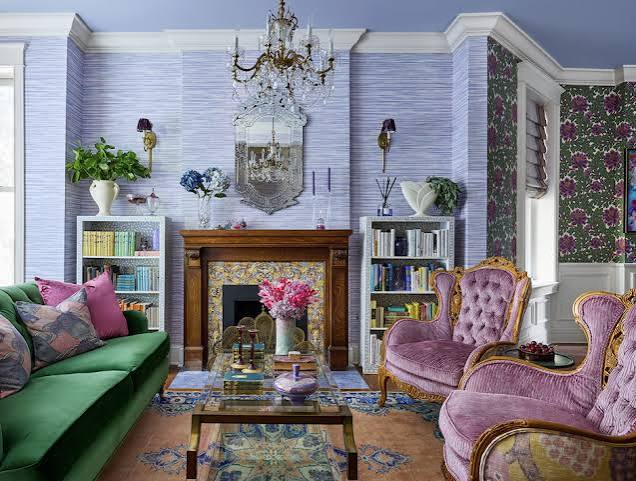
Creating a beautiful home involves choosing furniture that reflects personal style while providing comfort and functionality. Every piece contributes to the atmosphere of a room, from large sofas and dining tables to smaller accent furniture that completes the overall design. Among the many seating options available, classic lounge chairs remain popular because they combine distinctive silhouettes with practical everyday use.
Whether you are decorating a traditional living room, furnishing a contemporary apartment, or creating a peaceful reading corner, selecting the right chair can transform an ordinary space into an inviting retreat. Furniture with elegant proportions, attractive upholstery, and carefully considered details can introduce personality without overwhelming the surrounding decor.
The Timeless Appeal of Classic Seating Designs
Classic furniture designs continue to influence modern interior decoration because they offer a balance between visual character and everyday functionality. Unlike furniture styles that depend heavily on temporary trends, traditional seating silhouettes often maintain their appeal for many years.
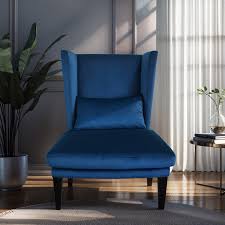
One recognizable example is the wingback chair. Its distinctive high backrest and extended side panels create an elegant profile that stands out in different interior environments.
Originally associated with formal sitting rooms and traditional interiors, this design has evolved to accommodate contemporary decorating preferences. Modern versions feature updated upholstery, simplified legs, creative colors, and different proportions.
Wingback Lounge Chairs are particularly attractive to homeowners who want to introduce a statement seating piece without sacrificing comfort. Their recognizable shape adds architectural interest, while their variety of upholstery options makes them suitable for numerous decorating styles.
Understanding the Unique Features of Wingback Chairs
The most distinctive characteristic of a wingback chair is its extended side panels, commonly called wings. These elements extend from the upper backrest toward the armrests, creating the chair's recognizable silhouette.
Traditionally, these wings were associated with providing a sheltered seating environment. Today, they are appreciated primarily for their distinctive appearance and supportive design.
Several features contribute to the overall appeal of this furniture style:
High Backrests: Create an elegant vertical profile and provide support for the upper back.
Extended Side Panels: Give the chair its recognizable shape and visual character.
Comfortable Armrests: Provide convenient support while reading or relaxing.
Distinctive Legs: Available in wooden, metallic, and contemporary finishes.
Decorative Upholstery: Allows homeowners to personalize the appearance through different colors and textures.
These details make wingback seating an attractive addition to both traditional and modern interiors.
Choosing the Right Upholstery Material
Upholstery plays an important role in determining a chair's appearance, comfort, and maintenance requirements. Selecting the right material helps ensure that the furniture complements the room while meeting everyday household needs.
Velvet Upholstery
Velvet is a popular choice for elegant accent chairs. Its soft texture and subtle sheen introduce depth and sophistication. Rich colors such as emerald green, navy blue, burgundy, and charcoal can create an impressive focal point.
Leather Upholstery
Leather offers a timeless appearance that works beautifully in traditional, industrial, and contemporary interiors. Brown and caramel shades introduce warmth, while black leather creates a more dramatic look.
Linen and Cotton Fabrics
Natural-looking fabrics provide a relaxed appearance that suits Scandinavian, farmhouse, and transitional interiors. Neutral shades such as beige, cream, and soft gray create a calm decorating foundation.
Performance Fabrics
For busy households, performance upholstery may provide practical advantages. Some materials are designed to resist stains and everyday wear, making them suitable for frequently used seating.
Before purchasing, review the manufacturer's specifications and cleaning recommendations to understand the durability and maintenance requirements of the selected material.
Incorporating Wingback Chairs into Modern Living Rooms
A well-selected accent chair can improve the balance and functionality of a living room. Wingback designs are particularly useful because their distinctive shape adds character without requiring extensive decorative accessories.
In a traditional living room, a pair of upholstered chairs can complement a classic sofa and wooden coffee table. Coordinating the upholstery with curtains, rugs, or decorative cushions helps establish a cohesive appearance.
For contemporary spaces, consider a chair with streamlined legs and simple fabric upholstery. Combining a traditional silhouette with modern colors creates an interesting contrast.
A wingback chair can also be positioned beside a fireplace or near a large window to create a comfortable seating destination. Adding a small side table and floor lamp makes the area suitable for reading, enjoying coffee, or relaxing.
In open-plan interiors, accent chairs can help define separate functional areas without requiring physical room dividers.
Selecting Colors That Complement Your Interior
Color coordination is essential when introducing statement furniture into an existing decorating scheme.
Neutral shades are among the most versatile options. Beige, cream, taupe, and gray can complement different wall colors and furniture finishes while creating a balanced atmosphere.
For homeowners who prefer more expressive interiors, jewel tones offer an excellent opportunity to introduce personality. Emerald green, sapphire blue, and deep burgundy can create sophisticated focal points.
Earthy shades such as terracotta, olive, caramel, and warm brown are particularly attractive in interiors that incorporate natural materials.
Consider the following combinations:
Navy blue upholstery with light gray walls and brass accessories.
Emerald green velvet with walnut furniture and cream textiles.
Beige fabric with natural oak finishes and soft white decorations.
Caramel leather with dark wood and warm lighting.
Burgundy upholstery with neutral rugs and metallic accents.
These combinations help create attractive interiors without making the room feel visually overcrowded.
Creating a Comfortable Reading Corner
One of the best ways to use a wingback chair is to create a dedicated reading corner. Its distinctive backrest and armrests make it a natural choice for a personal relaxation area.
Start by selecting a quiet corner with sufficient natural or artificial lighting. Position the chair near a window whenever possible to take advantage of daylight.
A small side table provides space for books, glasses, and beverages. A floor lamp with adjustable positioning can provide additional illumination during the evening.
Consider adding a soft area rug beneath the chair to visually define the space. A decorative cushion or lightweight throw blanket introduces additional comfort and texture.
For smaller homes, this arrangement can transform an unused corner into a functional area without requiring a complete room redesign.
Exploring Different Wingback Chair Styles
Wingback seating is available in several design variations, making it easier to find an option that complements different decorating preferences.
Traditional Wingback Chairs: These designs often feature detailed wooden legs, curved armrests, and decorative upholstery. They are suitable for classic and formal interiors.
Modern Wingback Chairs: Contemporary versions feature cleaner lines, simplified silhouettes, and updated fabric choices. They work well in minimalist and transitional spaces.
Mid-Century Inspired Designs: These chairs combine recognizable wingback proportions with tapered wooden legs and understated upholstery.
Tufted Wingback Chairs: Button detailing introduces additional texture and a sophisticated decorative appearance.
Oversized Lounge Designs: Larger proportions provide a more relaxed seating experience and can become statement pieces in spacious living rooms.
When comparing different styles, consider the chair's dimensions and how its proportions relate to the surrounding furniture.
Understanding Construction and Seating Comfort
An attractive exterior should always be supported by quality construction. Before purchasing an accent chair, examine the frame, cushioning, upholstery, and overall stability.
A well-constructed frame helps maintain the chair's shape and provides reliable support during regular use. Hardwood frames are often valued for their strength, while other engineered materials may also offer suitable performance depending on their construction.
Cushion firmness is another important consideration. High-density foam can provide structured support, while softer filling materials may create a more relaxed seating experience.
Check the seat depth, backrest height, and armrest position to determine whether the chair accommodates your preferences.
Whenever possible, test the furniture before purchasing. Sitting in the chair can help you evaluate its comfort and determine whether its dimensions are appropriate.
Maintaining Your Accent Furniture
Proper maintenance helps preserve the appearance and functionality of upholstered chairs.
Vacuum fabric surfaces regularly using a suitable upholstery attachment. This removes dust and loose particles before they accumulate.
For velvet upholstery, follow the manufacturer's brushing and cleaning recommendations to maintain its texture. Leather furniture should be cleaned with suitable products that protect its finish.
Avoid placing upholstered chairs in areas exposed to prolonged direct sunlight, as some materials may fade over time.
Address spills promptly and avoid using harsh chemicals or excessive moisture. Regularly inspect the chair's legs and joints to ensure that they remain stable.
Following these simple practices can help maintain the furniture's appearance for years.
Conclusion
Choosing the right accent furniture can transform the atmosphere of a home by combining comfort, personality, and timeless design. Classic seating styles remain valuable because they complement different decorating preferences while providing practical everyday functionality.
Wingback Lounge Chairs offer a distinctive combination of elegant proportions, recognizable side panels, and versatile upholstery options. Whether placed in a traditional living room, a contemporary apartment, or a dedicated reading corner, they can create an attractive focal point that enhances the entire interior.
By considering upholstery materials, colors, dimensions, construction quality, and complementary accessories, homeowners can select a chair that brings lasting style and comfort to their living spaces.