
Stylish Seating Ideas to Enhance Comfort and Flexibility in Modern Interiors
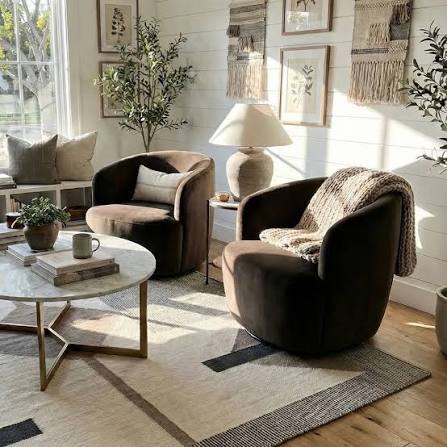
Creating a comfortable and visually appealing living space requires choosing furniture that combines practicality, quality, and attractive design. Seating plays an essential role in shaping the atmosphere of any room, whether it is a spacious living room, a cozy reading corner, or a modern home office. While traditional chairs provide a familiar seating solution, versatile designs can offer additional functionality and make everyday living more enjoyable.
One furniture option that has become increasingly popular in contemporary interiors is Swivel Accent Chairs. These chairs combine decorative appeal with convenient movement, making them suitable for different rooms and interior styles. Their rotating bases allow users to change direction without moving the entire chair, providing flexibility while maintaining a sophisticated appearance.
Understanding the Appeal of Rotating Seating
Modern homeowners often look for furniture that serves more than one purpose. A chair should provide a comfortable place to sit while contributing to the overall appearance of the room. Rotating seating meets these expectations by introducing movement and flexibility into everyday furniture design.
Unlike stationary chairs, swivel designs allow users to turn toward different areas of a room with minimal effort. This feature is particularly useful in open-plan spaces where people may want to move their attention between a television, conversation area, window, or workspace.
The rotating mechanism also creates a relaxed seating experience. Instead of repeatedly adjusting the chair's position, users can simply turn to face another direction. This makes the design practical for social environments and personal relaxation areas.
Combining Functionality with Decorative Style
Accent furniture is often selected to introduce personality into a room. A carefully chosen chair can become a focal point, complementing existing furniture while adding a distinctive visual element.
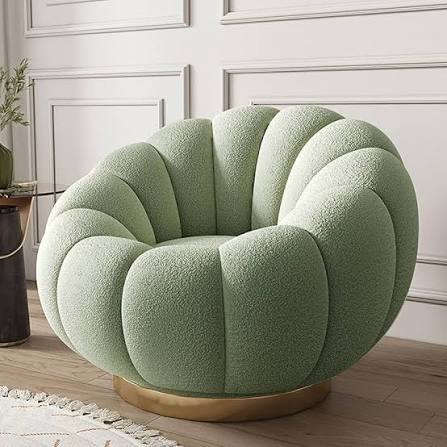
Swivel designs are available in numerous shapes, colors, and upholstery materials. Some feature curved silhouettes and rounded backs that create a soft, welcoming appearance. Others have clean geometric lines that suit minimalist and contemporary interiors.
The base can also influence the overall aesthetic. Metal finishes provide a modern appearance, while wooden details introduce warmth and natural character. Upholstered bases and concealed mechanisms can create a more streamlined look for homeowners who prefer understated furniture.
By choosing a design that complements the room's existing colors and textures, homeowners can create a coordinated interior without sacrificing individuality.
Choosing the Right Upholstery Material
Upholstery has a major influence on both comfort and appearance. Since accent chairs are often used as decorative features, the fabric should match the desired interior style while meeting everyday practical needs.
Velvet is a popular option for elegant living spaces. Its soft texture and subtle sheen create a luxurious impression, particularly in rich shades such as emerald green, navy blue, burgundy, and charcoal. Velvet chairs can add depth to neutral interiors and complement metallic decorative accessories.
Linen and cotton blends offer a lighter, more relaxed appearance. These materials work particularly well in Scandinavian, coastal, and casual contemporary rooms. Their natural textures can make a space feel welcoming and comfortable.
Leather and high-quality faux leather are suitable for interiors that require a polished and structured appearance. They are also relatively straightforward to wipe clean, although the care requirements depend on the specific material.
Performance fabrics are another practical choice, especially in busy households. Some are designed to resist stains and everyday wear, making them useful for frequently used seating areas.
Selecting Colors That Complement Your Interior
Color selection can transform the way a chair looks within a room. Neutral shades such as beige, cream, gray, and taupe offer versatility because they coordinate easily with different furniture collections.
For a subtle appearance, homeowners can select a chair in a color close to their existing sofa or curtains. This creates visual harmony without making the seating arrangement feel repetitive.
Alternatively, a contrasting color can introduce personality and draw attention to a particular area. A mustard yellow chair can brighten a room with gray furniture, while a deep blue design can create an elegant contrast against cream walls.
Earthy colors such as terracotta, olive green, and warm brown are suitable for interiors inspired by natural materials. They pair beautifully with wooden furniture, textured rugs, and soft lighting.
When selecting a color, consider the amount of natural light in the room and the shades of nearby furniture. A balanced combination will help the chair feel like an intentional part of the design.
Creating a Comfortable Reading Corner
A quiet reading corner is one of the best places to introduce a rotating accent chair. Its flexible movement makes it easy to turn toward a window during the day or face a reading lamp in the evening.
Comfort should be the main priority when selecting a chair for this purpose. Look for supportive back cushions, a suitable seat depth, and armrests that allow the shoulders to relax. The upholstery should also feel pleasant against the skin.
A small side table can complete the arrangement by providing space for books, drinks, or reading glasses. Adding a floor lamp and a soft area rug can make the corner feel more inviting.
The chair's rotating function provides additional convenience, allowing users to adjust their position without disturbing nearby furniture or accessories.
Enhancing Living Rooms and Open-Plan Spaces
Living rooms benefit from seating arrangements that encourage conversation while allowing people to enjoy different activities. Rotating chairs provide an adaptable solution because they can face a sofa during gatherings or turn toward entertainment areas when needed.
In open-plan homes, these chairs can help connect different functional zones. For example, a pair of chairs positioned between a living area and a dining space can provide additional seating without creating a permanent visual barrier.
The placement of the chair is important. Allow enough clearance around its base so that it can rotate comfortably without hitting tables, walls, or other furniture. This consideration is especially important in smaller rooms.
For a balanced arrangement, pair one accent chair with a sofa and a compact coffee table. In larger spaces, two matching chairs can create a symmetrical layout and establish a comfortable conversation area.
Important Features to Consider Before Buying
Appearance is important, but construction and functionality should also influence purchasing decisions. A well-designed chair should have a stable base, a reliable rotating mechanism, and upholstery that suits its intended use.
Check the weight capacity and overall dimensions before making a purchase. A chair that looks attractive in a showroom may feel oversized in a smaller room. Measuring the available floor space can help prevent layout problems.
The rotating mechanism should operate smoothly without excessive noise or resistance. A stable base is essential for comfortable everyday use, particularly when the chair is placed on hard flooring.
Seat cushioning is another important factor. High-density foam can provide supportive comfort, while softer cushioning may create a more relaxed sitting experience. The best choice depends on personal preferences and how frequently the chair will be used.
It is also helpful to review the manufacturer's warranty and care instructions. These details can provide useful information about product quality and long-term maintenance.
Styling Ideas for Different Interior Themes
One advantage of versatile accent seating is its ability to complement several decorating styles.
In contemporary interiors, choose chairs with simple silhouettes, neutral upholstery, and metal bases. These designs work well with glass tables, modern lighting, and streamlined furniture.
For mid-century-inspired rooms, consider curved backs, tapered wooden details, and warm upholstery colors. Pairing these elements with vintage accessories can create a cohesive atmosphere.
Glamorous interiors can benefit from velvet upholstery, sculptural shapes, and polished metallic finishes. A chair in emerald, blush, or navy can add an elegant decorative statement.
For relaxed interiors, textured fabrics and rounded shapes can create a welcoming environment. Combine them with natural wood, woven baskets, and soft textiles to achieve a comfortable look.
Maintaining Your Chair for Long-Term Use
Proper maintenance helps preserve both the appearance and functionality of upholstered seating. Regularly vacuum fabric surfaces using an appropriate attachment to remove dust and small particles.
Clean spills as soon as possible, following the upholstery manufacturer's instructions. Avoid applying harsh cleaning products without checking whether they are suitable for the material.
The rotating base also deserves occasional attention. Keep the surrounding area free from dust and debris, and check that the mechanism moves smoothly. If the manufacturer provides maintenance instructions, follow them to help maintain reliable operation.
Protecting the chair from prolonged direct sunlight can reduce fading, particularly when using darker or richly colored upholstery.
Conclusion
Choosing the right seating can improve the comfort, functionality, and visual appeal of any interior. A thoughtfully selected accent chair provides more than an additional place to sit; it can introduce color, texture, and character while helping create a flexible furniture arrangement.
With their practical rotating mechanisms and wide range of decorative styles, Swivel Accent Chairs offer an attractive solution for contemporary living rooms, reading corners, bedrooms, and open-plan spaces. By considering upholstery, color, dimensions, construction, and comfort, homeowners can find a design that complements their surroundings and supports everyday living.